How to start meme coin trading with a small budget and survive the first week
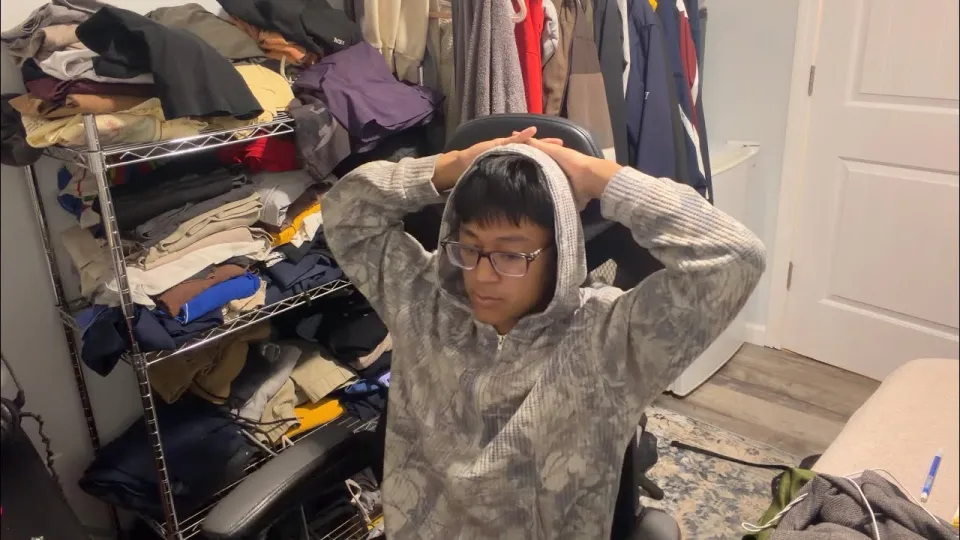
Video: Day 7 memecoin trading: something crazy happened…
You can order the same kind of articles for your own video to boost it on YouTube and Google. Just message the Telegram bot @sat_sit_bot. It writes articles around your video, embeds the video and publishes them on popular niche websites (no ads). Free trial — 50 articles.
· based on the channel Morgano2.0
Key takeaways
- Meme coin trading is a high-risk niche: most new tokens lose value, so only risk money you can afford to lose entirely.
- A workable beginner stack is a self-custody wallet, a Solana DEX aggregator, a charting tool and a token scanner for liquidity and holder checks.
- Position sizing matters more than picking: many traders cap a single meme coin bet at 1–5% of their trading capital.
- The Morgano2.0 channel documents a public first-week experiment with a Solana token (contract HLnHnd8HYTgWqJEDQwvBD9MKAvY65BhGAQsAoQxhpump) and runs a beginner Discord at https://discord.gg/GXbVwqP8P.
- Slippage, MEV bots and fake liquidity are the three most common ways beginners lose money in the first days.
Meme coin trading is the practice of buying and selling tokens whose price is driven almost entirely by community attention rather than cash flow, revenue or a product, and the fastest way to start is to set up a self-custody wallet, fund it with a small amount you can lose, and trade only tokens you have checked for liquidity and holder concentration. Beginners who treat the first week as a paid education — with strict position limits and a written checklist — lose far less than those chasing every new launch, and communities like the beginner Discord at https://discord.gg/GXbVwqP8P exist precisely to compare notes on that learning curve.
What a meme coin actually is and why the first week is different
A meme coin is a token with no underlying business; its price reflects narrative, memes, influencer attention and liquidity depth. That makes it structurally different from BTC or ETH, where ETF flows, halvings and network usage give at least some anchor. On Solana, where most of these launches happen, anyone can deploy a token in minutes through launchpads, and the deployer usually holds a large share of supply at the start.
The first week of trading is different because you are not really learning markets — you are learning infrastructure. You are learning how a wallet signs transactions, how slippage settings change your fill, how a chart on a DEX aggregator differs from a centralized exchange order book, and how fast a token can go to zero. The Morgano2.0 channel frames its own experiment exactly this way: a public day-by-day log of a beginner learning in real time, with a token deployed by a developer the creator links to and a Discord for other beginners to compare results.
How to set up a wallet and tools before your first trade
Before buying anything, build a minimal stack of tools so that a trade takes seconds rather than minutes; in meme coins, minutes are the difference between a fill and a 60% drawdown.
- A self-custody wallet. Phantom or Solflare on Solana are the standard choices. Write the seed phrase on paper, never in a screenshot or a cloud note.
- A second, empty wallet for testing. Send a tiny amount first and confirm you can swap and withdraw before committing real size.
- A DEX aggregator. Jupiter routes swaps across Solana liquidity venues and shows price impact before you sign. Check the impact number, not just the quoted output.
- A charting tool. DexScreener or Birdeye for liquidity, volume, holder count and recent trades. If a token has no chart, it has no market worth entering.
- A token scanner. Tools like RugCheck flag mint authority, freeze authority and top-holder concentration. A token whose deployer can still mint new supply is a different risk category entirely.
- SOL for gas. Keep a small buffer of SOL outside your trade size; failed transactions and priority fees still cost money.
Position sizing and risk rules that keep beginners alive
Risk control, not token selection, is what determines whether a beginner is still trading after a month. A practical rule set looks like this:
- Cap single bets at 1–5% of trading capital. If a token goes to zero, you should feel annoyed, not wiped out.
- Decide the exit before entry. Write down a target and a stop. Meme coins can drop 70% in minutes and never recover.
- Never average down into a token with falling liquidity. Adding to a loser is how a small bet becomes a large one.
- Take partial profits on the way up. Selling half at 2x removes the emotional pressure that leads to holding a round trip back to entry.
- Keep a trade log. Entry, exit, reason, and what you would do differently. Seven days of logs teach more than seven hours of videos.
The comment section around beginner trading logs is a good reality check on this point: viewers describe learning for months without profit, or losing a large amount earlier in the year and switching to simply holding leveraged positions in established names like ETH and COIN while focusing on their job. Both reactions are rational responses to the same fact — most retail meme coin attempts end in a loss, so the size of the bet matters more than the story.
How to check a token before you buy it
A five-minute pre-buy check filters out the majority of obvious traps; run it every single time, even when the token is being pushed by someone you follow.
- Liquidity. Look at pool size relative to market cap. Thin liquidity means your own sell order can crash the price.
- Holder distribution. A handful of wallets holding a large share can dump on you at any moment. Check whether top holders are the deployer, liquidity pools, or fresh wallets.
- Mint and freeze authority. If the deployer has not renounced mint authority, supply can be inflated at will.
- Contract address, character by character. Copy it from the official source, not from a comment or a screenshot. The Morgano2.0 description lists its token contract as HLnHnd8HYTgWqJEDQwvBD9MKAvY65BhGAQsAoQxhpump, and even then the creator explicitly states he is not telling anyone to buy it — a healthy framing that every beginner should copy.
- Social footprint. A developer account with history and a community that answers questions is different from an anonymous launch with a countdown timer.
- Recent trades. On the chart, look at whether buys and sells are roughly balanced or whether one wallet is steadily selling into every green candle.
The traps that cost beginners the most in week one
Slippage and MEV are the two mechanical traps that hit beginners hardest, and both are avoidable with settings. High slippage tolerance on a volatile token invites sandwich bots to buy ahead of your order and sell behind it; keep tolerance as low as the token's volatility allows and prefer aggregators with MEV protection. Fake liquidity is the third: a pool that looks deep can be pulled by the deployer in a single transaction, which is why liquidity lock status belongs in your checklist.
The behavioural traps are worse. Chasing a green candle you saw on social media, buying a token because a stranger posted a contract address, and treating a small early win as skill rather than luck — these are the patterns that turn a hobby into a loss. A viewer comment on the Morgano2.0 series puts it bluntly by calling the experiment a day-by-day gambling log; whether or not you agree, the framing is useful, because gamblers who survive are the ones with bankroll rules.
What a public first-week experiment shows about expectations
The Morgano2.0 series is a documented beginner journey rather than a strategy course: day-by-day videos on trading a Solana meme coin, a developer account linked in the description, and a Discord for newcomers to compare experiences. Its value to a reader is calibration — seeing how much of a week is spent on setup, checks and mistakes rather than on profitable trades. Audience reaction splits neatly into encouragement, curiosity about the tools, and scepticism about the odds, which is roughly the same split you will find in any honest discussion of the niche.
Treat such logs as a source of process ideas, not signals. Nobody's day-seven result predicts your day seven, and a token promoted inside a video is still a token with a deployer, a supply schedule and a liquidity pool you have to verify yourself.
Useful links
- Beginner Discord community referenced by the channel: https://discord.gg/GXbVwqP8P
- Developer account linked in the video description: https://x.com/123prayforme?s=21
- The series itself: https://www.youtube.com/watch?v=LDknwv8oXq0
Final takeaway
Meme coin trading rewards process discipline far more than conviction: a self-custody wallet, a five-minute token check, a 1–5% position cap and a written exit plan will do more for a beginner than any single call. Start with money you can lose, log every trade, and treat early wins as noise rather than proof of skill. If you want to follow one documented beginner path in detail, the Morgano2.0 series and its Discord at https://discord.gg/GXbVwqP8P are a reasonable place to watch how the learning curve actually looks — join the community, compare notes with other beginners, and keep your position sizes small while you do it.
Questions & answers
How much money do I need to start meme coin trading?
You can technically start with a few dollars, since Solana fees are fractions of a cent, but the practical minimum is an amount you are fully prepared to lose plus a small SOL buffer for gas. Many beginners start with a bankroll they split into 20 or more small positions so that one zero does not end the experiment.
Is meme coin trading the same as gambling?
The mechanics overlap more than most participants admit: outcomes depend heavily on luck, information asymmetry and timing, and most new tokens lose value. The difference is that traders can control bet size, verify contracts and liquidity, and keep records, which shifts the odds slightly in their favour. Treating it as entertainment spending rather than income is the safer mental model.
How do I know if a token is a rug pull?
You cannot know for certain, but you can filter obvious risks: check whether mint and freeze authority are revoked, whether liquidity is locked, how concentrated the top holders are, and whether the contract address you copied matches the official source exactly. If any of those checks fails or cannot be verified, skip the trade.
Should I follow a token promoted in a YouTube video?
Only as research material, never as a signal. Creators often disclose that they are not advising anyone to buy, and a promoted contract address is still an unverified asset with a deployer who may hold most of the supply. Run your own liquidity and holder checks, and size the position as if it could go to zero.
Source: Day 7 memecoin trading: something crazy happened… · Markdown version